
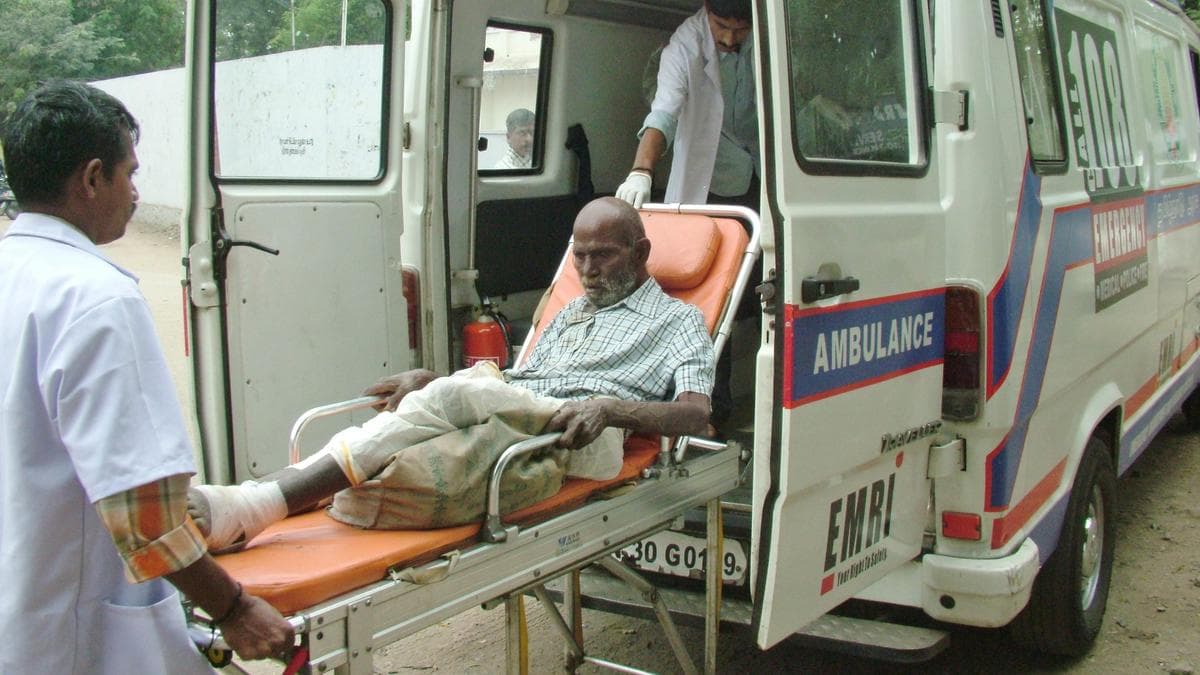
A Growing Health Emergency Among India's Youth
India faces a quiet but devastating public health challenge that claims thousands of young lives annually. Injuries and trauma have emerged as the primary cause of mortality for citizens under the age of 30, surpassing many communicable diseases in lethality. Yet despite this grim reality, the vast majority of Indians remain unprepared to respond effectively when accidents strike.
From road collisions to workplace mishaps, drowning incidents to falls, traumatic injuries occur without warning. The critical factor determining survival often isn't access to hospitals or advanced medical technology—it's the immediate actions taken in those first golden minutes by bystanders who happen to be present.
The Lifesaving Window: Why Minutes Matter
Medical professionals universally recognize that the period immediately following a serious injury is paramount. Quick, appropriate intervention can mean the difference between recovery, permanent disability, and death. Yet many Indians at accident scenes freeze, panic, or unwittingly make situations worse through incorrect responses.
Common mistakes include moving injured persons unnecessarily, failing to control bleeding, or delaying emergency services contact. These preventable errors compound injuries and reduce survival prospects dramatically.
Essential Actions Every Indian Should Know
- Call for help immediately: Contact emergency services (112 nationwide) without delay, providing clear location details
- Assess responsiveness: Check if the injured person is conscious and breathing before attempting intervention
- Control severe bleeding: Apply firm, direct pressure using clean cloth to stem blood flow
- Recovery position: Place unconscious breathing victims on their side to maintain airway clearness
- CPR basics: Understanding chest compressions can sustain circulation until professionals arrive
- Avoid movement: Minimize moving patients with suspected spinal injuries
Building a Nation Prepared for Emergencies
Several Indian states have begun integrating basic first-aid education into school curricula, recognizing that knowledge disseminated early creates lifelong preparedness. NGOs and medical institutions increasingly conduct community training sessions across urban and rural areas.
Smartphones have democratized access to guidance—numerous Indian organizations now offer free emergency response apps providing step-by-step instructions during crises.
As India continues modernizing its healthcare infrastructure, the human element remains irreplaceable. When tragedy strikes suddenly, the nearest person—not the nearest hospital—becomes the first lifeline. Equipping citizens with fundamental emergency response knowledge represents a cost-effective, scalable intervention that can substantially reduce young adult mortality across the nation.